Year: 2024
Collaborators: ONGAWA and Spanish Cooperation (AECID)
Consortium investment: 397.743,75 €
GFM investment: 291.196,98 €
GFM grant received: 203.835,70 € (grant)
ONGAWA-SENEGAL
Water supply in Senegal
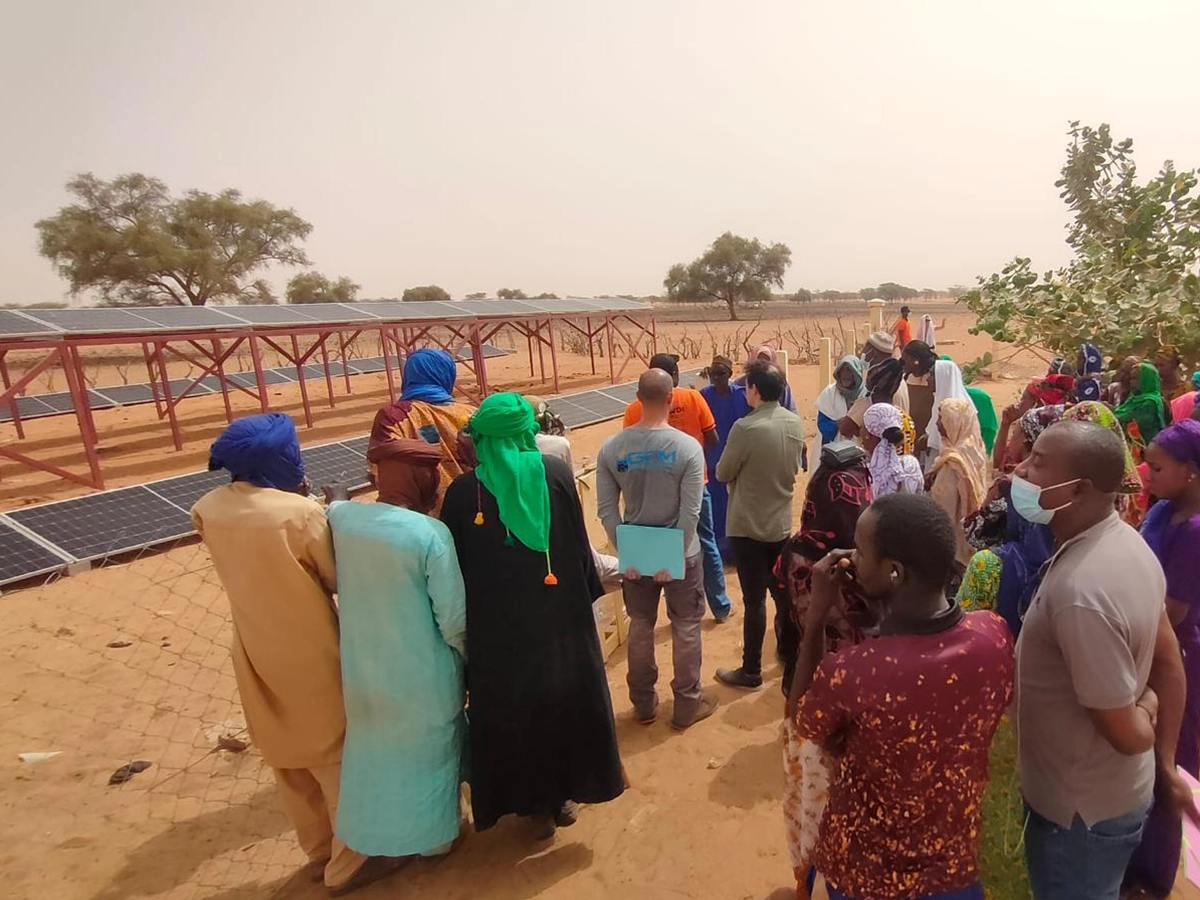
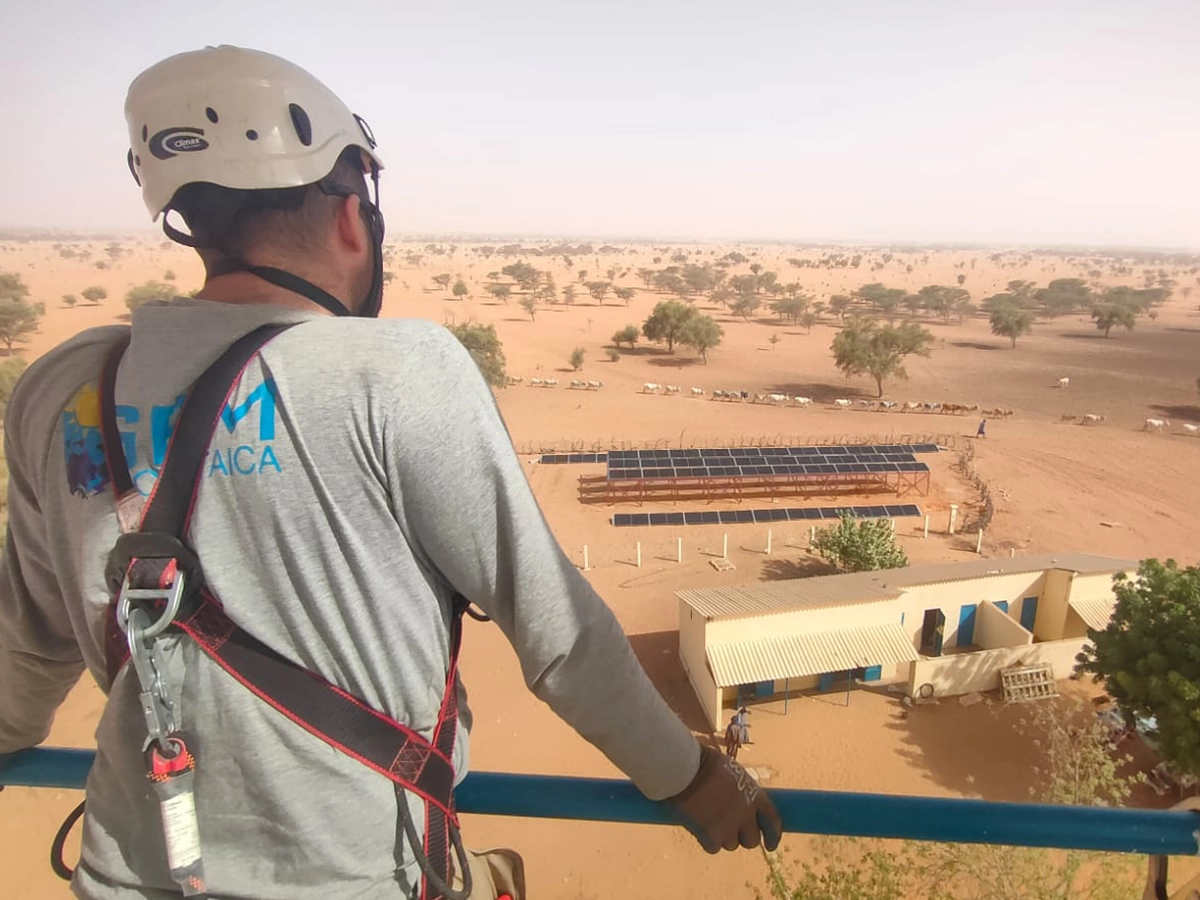
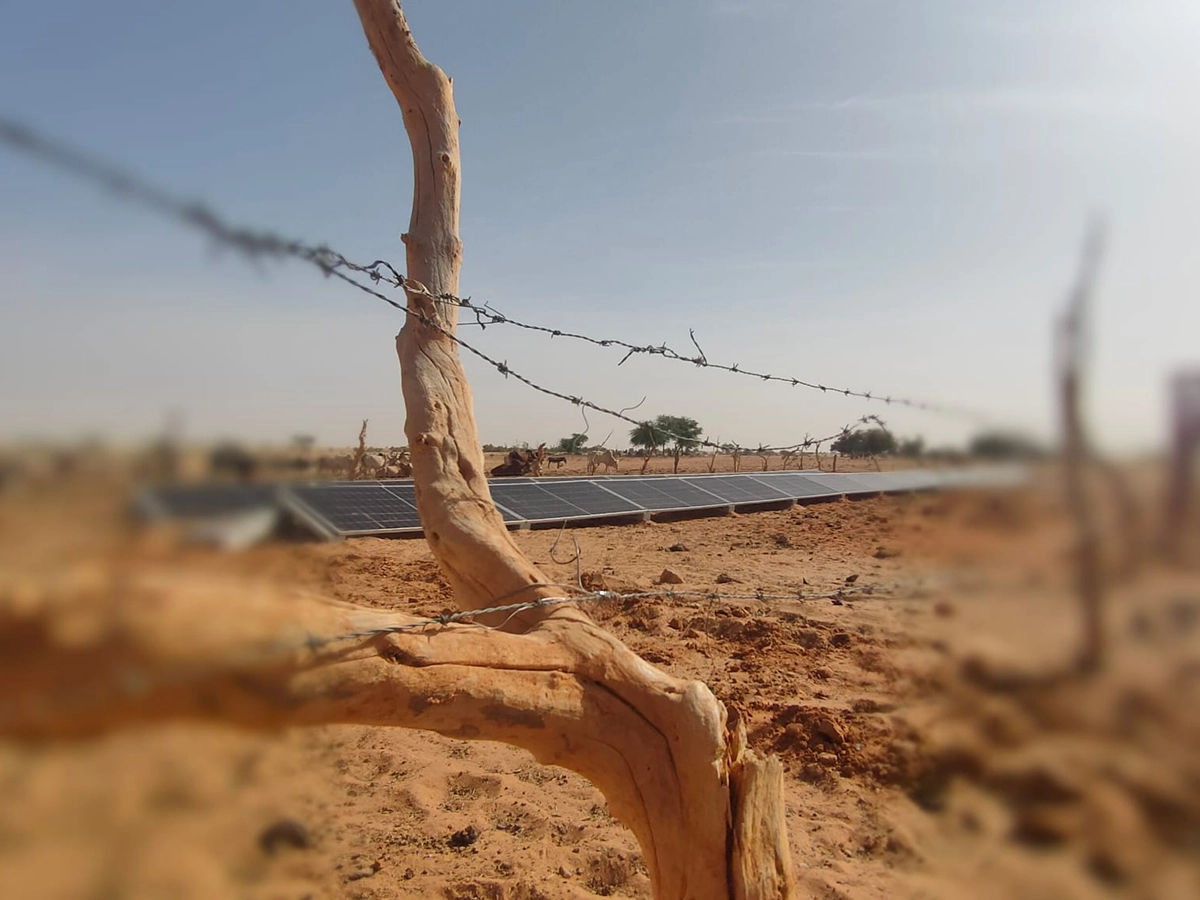
GFM PHOTOVOLTAICA, in collaboration with ONGAWA, installed three solar-powered pumping demonstrators for stable and clean water supply in northern Senegal. The solar modules were introduced in an agrovoltaic scheme, reducing the high impact of evapotranspiration from local crops themselves. The project had the support of the Spanish Cooperation (AECID) to promote access to human rights to water, sanitation and hygiene (action 2021/ACDE/00434).
The Matan region in northern Senegal is characterized by a semi-arid climate with low and irregular rainfall. Access to water is completely dependent on the diesel pumping system, which generates a strong dependence on supply, air pollution, high management costs and tough maintenance requirements. Additionally, high evapotranspiration rates contribute to water stress, which affects agricultural productivity, livestock health, and human consumption.

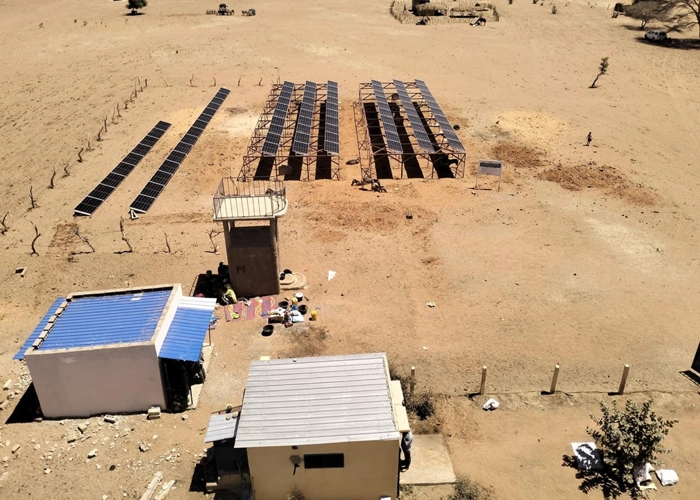
The project promotes the introduction of three hybrid photovoltaic pumping systems to replace diesel as a primary energy source. The solar modules were integrated on an agrovoltaic base, which combines agricultural activity with solar generation on the same land. This placement has potential implications for the food-water-energy nexus, improving crop efficiency, water management and solar yield. Production is monitored via a cloud-based platform, providing remote control, system optimization, early fault diagnosis and increased security. In line with the Sustainable Development Goals (SDGs), the action implements the creation of small boutiques in each demonstrator to boost regional economic growth, create local employment and promote inclusive green businesses.
Daily management has been carried out by local women, promoting women's empowerment and removing barriers to their full participation in the economy. These buildings have been equipped with electricity supply, lights and phone charging areas. Additionally, direct current refrigeration systems have been installed to support local food preservation, natural ice production and livestock vaccine storage. The local community has been involved in all phases of the project, ensuring that activities align with local needs, priorities and capacities. In addition, during the installation, some technical workshops were given to guarantee the operation of the system in the coming years.